Download your FREE ebook!

How Your Parents Shaped Your Relationship With Food
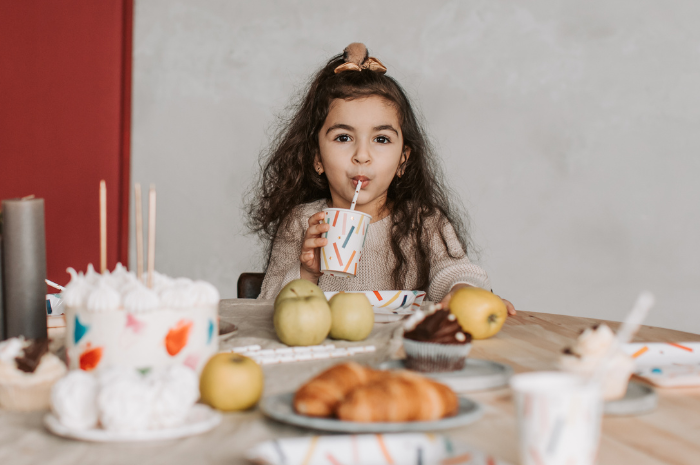
Your relationship with food didn’t start with you.
It started much earlier, in your childhood, in your home, in the things that were said…and the things that weren’t.
This isn’t about blaming parents. Most were doing the best they could with what they knew at the time. But some of the messages we absorbed about food, body, and health stayed with us, and today, they may still be shaping how we eat, how we feel about our bodies, and how we relate to food.
Let’s look at four common patterns.
1. The “Healthy & Strict” Parent
This is the parent who was very focused on eating “clean,” “healthy,” or “perfectly.”
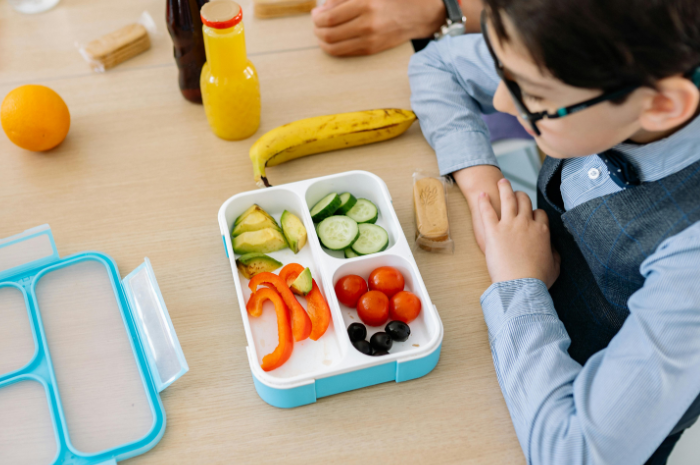
As a child, you may have had the lunchbox that looked different from everyone else’s. Other kids didn’t want to share your food, and maybe you didn’t feel like you fit in. Birthdays looked different too. While others had cake, yours might have been a watermelon shaped like a cake.
At home, foods were labeled as “good” or “bad,” whether directly or indirectly.
What the child learned:
- Some foods are “good,” others are “bad”
- Eating certain foods means doing something wrong
- I have to be disciplined to be acceptable
What this can look like as an adult:
- Guilt after eating certain foods
- All-or-nothing thinking (“I was good all day…then I ruined it”)
- Losing control around “forbidden” foods
- Eating in secret or feeling shame around food
As a child, you may have eaten more at your grandmother’s house or at birthday parties because this was your only chance. That behavior often doesn’t disappear. It simply follows you into adulthood in a different form.
2. The Scarcity Parent (“We don’t have enough”)
This can come from real financial struggle, or from a parent’s own experience growing up without enough.
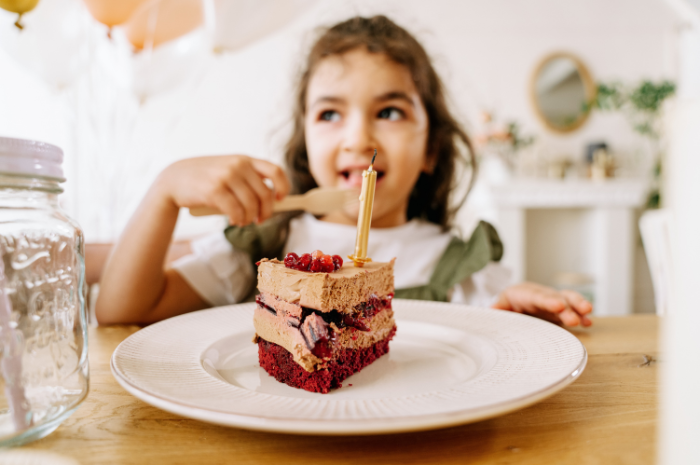
You may have been told to always finish your plate, not to waste food, or reminded how hard things were before and how lucky you are now. Sometimes food was available, but the messaging still made it feel scarce.
It could also look like this:
- The parent has chocolate, but you’re only allowed a small piece
- Certain foods are controlled or kept away
- You hear: “When you grow up and make your own money, you can buy it yourself”
What the child learned:
- Food is limited
- I need to eat what’s available now
- I might not have this again
What this can look like as an adult:
- Difficulty stopping even when full
- Eating quickly or impulsively
- Feeling urgency around food (“I have to eat it now”)
- Not trusting that food will still be there later
Even when your reality changes, your body and mind may still respond as if food is scarce.
3. The Appearance-Focused Parent
This is the parent who places a strong value on body size, weight, or appearance.
Sometimes it’s direct, but often it’s indirect. It shows up in how a mother talks about her own body, or how a father criticizes her for gaining weight or praises her for losing pregnancy weight.
Nothing may be said directly to you, but you (or your child) were watching and learning.
What the child learned:
- My worth is tied to how I look
- Being thinner means being better, more loved, or more accepted
- My body needs to be controlled
What this can look like as an adult:
- Constant body dissatisfaction
- Tying self-worth to appearance
- Fear of gaining weight
- People-pleasing tendencies
- Chronic dieting
You’re not just trying to change your body. You’re trying to feel “enough.”
4. The Reward & Punishment Parent
This is where food becomes a tool.
You’re rewarded with sweets for good behavior or good grades. You’re denied treats when you misbehave or don’t meet expectations.
Food becomes something you earn or something that can be taken away.
What the child learned:
- Food is a reward
- Food is tied to behavior and emotions
- Some foods are more special or valuable than others
What this can look like as an adult:
- Using food as a reward after a “good” day
- Emotional eating patterns
- Putting certain foods on a pedestal
- Feeling “deserving” or “undeserving” of food
After a week of dieting or going to the gym, the “reward” is rarely a salad. That’s because certain foods were put on a pedestal early on. When sweets are used as rewards, they become more than just food. They become something special, something earned, something emotionally loaded.
So as adults, we don’t just want them—we feel like we deserve them.
And interestingly, if a child was punished by being denied salad instead of sweets, they might grow up craving salad in the same way. It’s not about the food itself. It’s about the meaning that was attached to it.

Of course, real life is rarely this neat. A parent may fit more than one of these roles, and sometimes each parent plays a different one. For example, one parent may be very strict around food, while the other is highly focused on appearance and weight. One may create scarcity around food, while the other uses food as a reward or punishment. These patterns often overlap, and when they do, the messages a child receives around food, body, and worth can become even more confusing and more deeply ingrained.
When these childhood messages later meet diet culture, they often get reinforced rather than challenged.
The Deeper Layer: The Voice in Your Head
Many people believe their struggles with food are about willpower.
But often, that voice in your head saying:
- “Be more disciplined”
- “You were bad today”
- “You need to fix this tomorrow”
…is not actually your voice.
It’s a learned voice.
For many people, it sounds very similar to the messages they grew up with. The same tone. The same rules. The same sense of control, judgment, or pressure.
And this is where diet culture becomes so powerful.
Because diet culture doesn’t sound like something new or unfamiliar. It often sounds like what you already know.
It reinforces the same ideas:
- There are “good” and “bad” foods
- You need to control yourself
- Your body needs to be managed or fixed
- Your worth is tied to how well you follow the rules
So when you start a diet, it can feel strangely familiar. Almost like slipping back into a role you learned as a child.
And just like before, another part of you reacts.
A part of you resists. Rebels. Pushes back against the control.
That’s where the cycle begins:
- You try to follow the rules
- The pressure builds
- You break the rules
- You feel guilty
- You promise to “start again”
Not because you lack discipline.
But because one part of you is repeating an old, learned voice… and another part of you is still responding to it in the only way it knows how.
This isn’t a willpower problem.
It’s a pattern you learned early… and have been repeating ever since.
Why siblings can grow up so differently
If you’re thinking, “But we had the same parents…why am I the one struggling?” the answer is that no two children have the exact same experience.
Parents change over time, and each child has a different personality.
For example:
- Some children love structure, rules, and discipline, so strict food rules feel safe and easy to follow
- Others naturally resist rules, so they respond with rebellion
The same home can create very different relationships with food.
Questions to reflect on
- What messages did you receive about food growing up?
- Were certain foods restricted, rewarded, or feared?
- How did your parents talk about their own bodies?
- Were you allowed to express your emotions, both good and bad?
This isn’t about judging your parents. It’s about understanding yourself.
And now…the most important question
What type of parent did you have? And what type of parent are you becoming?
We can’t change our childhood experiences. Our parents tried their best with what they knew then.
But now, we know more. And when we know better, we do better.
We can stop the legacy of diet culture in our families. We can raise a generation that trusts their bodies, enjoys food without shame, and feels at peace with themselves.
And that change can start with you.
Gentle next step
If you’re starting to recognize yourself in this, that awareness is powerful. It’s the first step.
The next step is learning how to rebuild trust with your body and create a different relationship with food, one that isn’t driven by fear, control, or old beliefs.
If you’re ready to break free from dieting, heal your relationship with food and your body, and stop the legacy of diet culture in your family, let’s work together.
You can find more details about my coaching program here.
Related Posts




Leave A Comment