Download your FREE ebook!

It’s Not the Pain That’s Hurting You…It’s What You Do With It
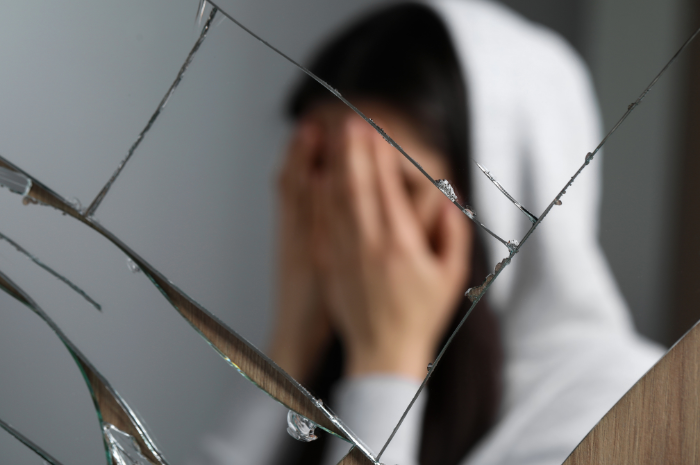
Pain Is Part of Being Human
Pain is part of being human. It always has been, and it always will be.
{لَقَدْ خَلَقْنَا الْإِنسَانَ فِي كَبَدٍ}
Surah Al-Balad (90:4)
“We have certainly created humankind in hardship and struggle.”
This verse from the Quran isn’t saying something has gone wrong. It’s reminding us that struggle is part of the design of being human.
Pain shows up in many forms. It can be physical, like illness or fatigue. But more often, for many of us, it’s emotional. The pain of not liking how we look. The pain of rejection. The quiet ache of feeling left out, different, or not enough. The heaviness of stress, loneliness, or overwhelm. None of this is abnormal. None of it means something is wrong with you.
Pain is not the problem.
The problem is what we’ve learned to do when pain shows up.
Why Your Brain Wants You to Escape It
Our brain is wired to protect us. It sees pain as a signal of danger, and its job is to move us away from that danger as quickly as possible. Sometimes, this is helpful. If you were bullied at school, avoiding those people made sense. If someone in your life was hurtful, keeping your distance protected you.
But not all pain works this way. Some pain isn’t something you can run away from. And when we treat it like something that must be avoided at all costs, we can end up making things worse.
Where We Learned This Pattern
Part of the reason this happens is how we learned to relate to pain growing up. Often, without anyone intending harm, we were taught that feeling pain is something to quickly fix, hide, or move past. Maybe you cried and heard “stop crying,” or “it’s not a big deal,” or “only babies cry.” Even well-meaning responses like “it’s okay, don’t be sad” can send a quiet message: this feeling is not welcome here.
And slowly, without realizing it, you learn something important. This feeling is not okay. I shouldn’t stay here. I need to get rid of it quickly.
But imagine if, instead, someone had sat with you and said, “yes, that really hurts,” or “I can see you’re upset,” or “it’s okay to feel this.” Not fixing it. Not rushing it away. Just allowing it.
You would have learned something very different. I can feel pain and be okay. I don’t need to escape it.
I remember from a young age telling myself, “today is just a hard day, I just need to get through it, tomorrow will feel better.” I don’t know exactly where I learned that, but I still find myself coming back to it. Not as a way to escape the feeling, but as a way to stay with it without letting it take over.
So it makes sense that when pain shows up now, your instinct isn’t to feel it. It’s to do something about it.

The Toothache We Keep Ignoring
Imagine someone with a severe toothache. They go to the dentist and are told they have an infection. The dentist gives them two options: an antibiotic to treat the infection, and a painkiller to relieve the discomfort. But they can only afford one. So they choose the painkiller. The pain goes away for a while, and it feels like the problem is solved. But the infection is still there, quietly getting worse. Eventually, the pain returns, stronger than before.
This is what many of us are doing in our own lives.
We keep reaching for the painkiller.
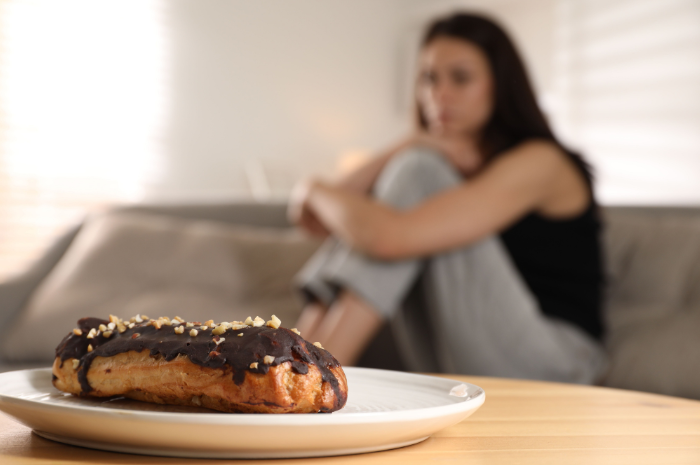
When It Shows Up in Your Relationship With Food and Body
This is where it becomes very real.
It’s not just a concept. It’s the small moments you’ve lived over and over again.
It’s standing in front of the mirror and not liking what you see. It’s putting on clothes that don’t feel right. It’s comparing yourself without even realizing it. That feeling… that discomfort… that heaviness… that’s the pain.
And of course you don’t want to stay there.
So you decide: I need to fix this.
You start a دايت. You tell yourself this time will be different. There’s a sense of control, structure, even relief. It feels like you’re finally doing something about the problem.
But that’s the painkiller.
Because over time, the restriction becomes exhausting. The rules get harder to follow. The cravings get louder. And eventually, the bingeing starts. The guilt. The frustration. The feeling of being even more out of control than before.
The pain didn’t go away.
It just changed shape… and got heavier.
It’s the same with emotions.
You have a long day. You feel overwhelmed, drained, maybe even a bit empty. Or something small happens, but it stays with you longer than it should. That feeling… that discomfort… that’s the pain.
And again, you don’t want to stay there.
So you eat. Not because you’re physically hungry, but because you need something to take the edge off. And it works… for a moment. There’s comfort, distraction, a sense of relief.
That’s the painkiller.
But then comes the second wave. The guilt. The self-blame. The “why did I do that again?” The disconnection from yourself.
And now, you’re dealing with more than just the original feeling.
If we go back to the toothache example, it becomes clearer.
The uncomfortable feeling—whether it’s body image, stress, or loneliness—is the toothache.
Emotional eating or dieting is the painkiller. It gives you short-term relief.
But the bingeing that develops over time, the obsession with food, the guilt, the shame… that’s the infection spreading.
And this is where so many people get stuck.
Because it feels like the solution is helping… when in reality, it’s quietly making things harder.
You’re Not Choosing to Suffer
You are not choosing to suffer. You are using the strategies you learned to cope with pain. Strategies that may have made sense at some point. Strategies that may have even helped in the short term.
But some of these strategies don’t work anymore.
They give relief in the moment, but they increase suffering over time.
A Different Way Forward
This is where the shift begins. Not by eliminating pain, but by changing your relationship with it.
Instead of reacting automatically, there is a small pause. A moment of awareness. Noticing what you’re feeling, without immediately trying to fix it. Naming it. Allowing it to be there, even if it’s uncomfortable.
And then asking a different question. Not “how do I get rid of this feeling right now?” but “will this choice reduce my suffering later, or increase it?”
That question alone can change everything.
It doesn’t mean you’ll always choose differently. It doesn’t mean the urge to escape will disappear overnight. But it creates space. And in that space, there is a different kind of power. The kind that isn’t about control, but about awareness.
Final Thought
Pain will still be part of your life. There will still be hard days, uncomfortable emotions, moments where you don’t like what you see in the mirror. That’s not something to fix.
But the suffering that comes from constantly trying to escape those moments, that is something that can change.
Not all at once. Not perfectly. But slowly, gently, one choice at a time.



Leave A Comment